Trust, transparency, and a lux experience for one-of-a-kind things.
Trust in the authentication of one-of-a-kind items
A collectible has no fixed catalog entry to lean on; the appraisal is the product story. The design question was how to facilitate user trust in authentication through UX copy and app user flows: where the authenticity signal appears, how the expert's judgment is worded, and at which moments of the flow a buyer needs to re-encounter it before committing.
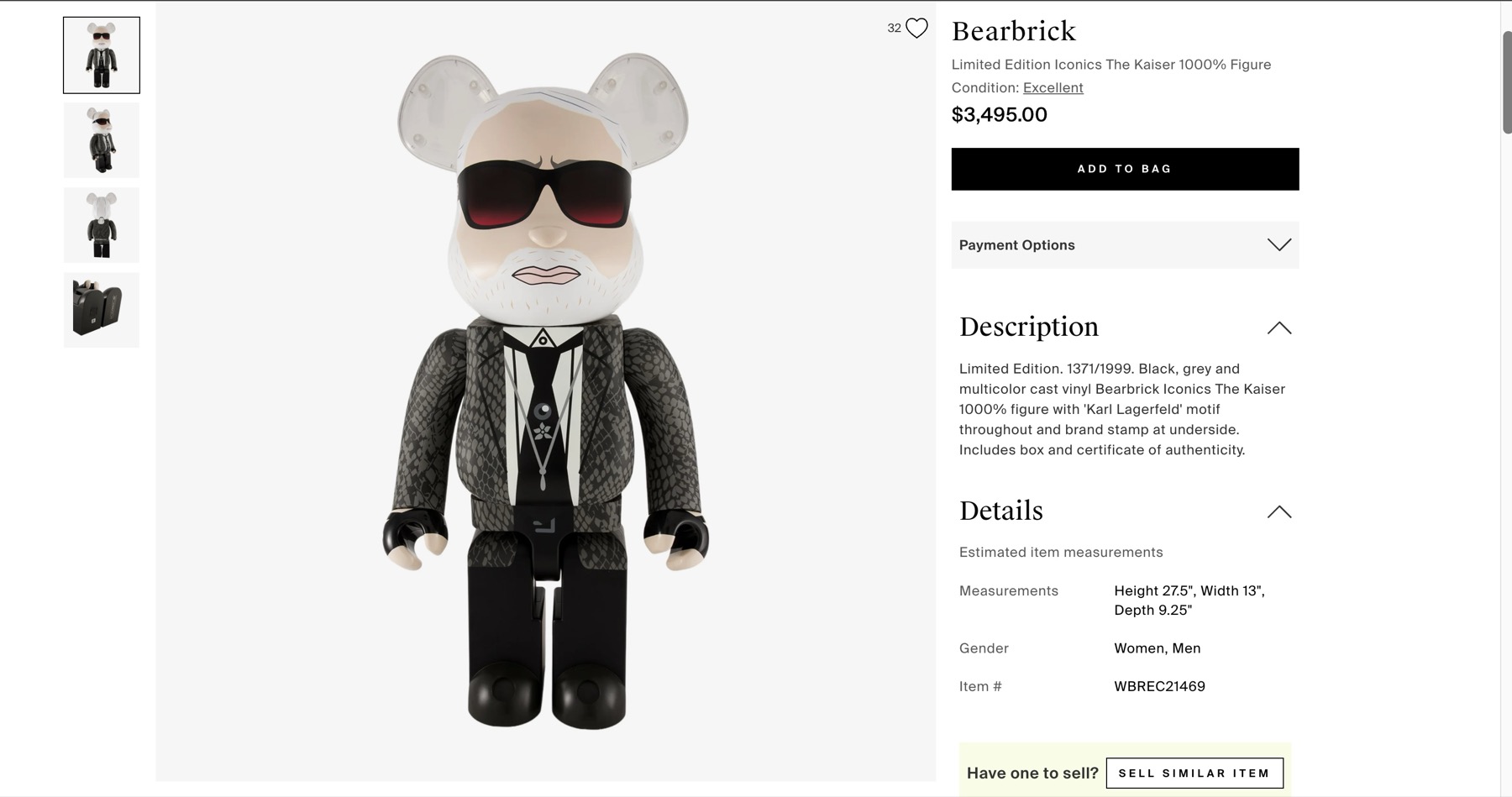
Comfort in consignment, transparency in purchase
People sell and buy loved things, and sometimes they have no idea what their grandmother's Tiffany silverware is worth. How might we give a consignor comfort that they chose the right consignment, through the consignment interface itself? And on the buying side, how might we ensure the best purchasing experience through transparency in the authentication and delivery journey of the item? One honest behavior pointed the way: users were adding items to cart just to remember them. Cart had quietly become a bookmark. Introducing wishlist and favorites cleaned that up, improved recommendations, and contributed to a 13% lift in purchases.
A lux experience worth the price tag
When someone is spending serious money on the app, the visual language and the UX language have to know when to separate and when to move as one: restrained interactions, generous imagery, copy that holds its nerve.
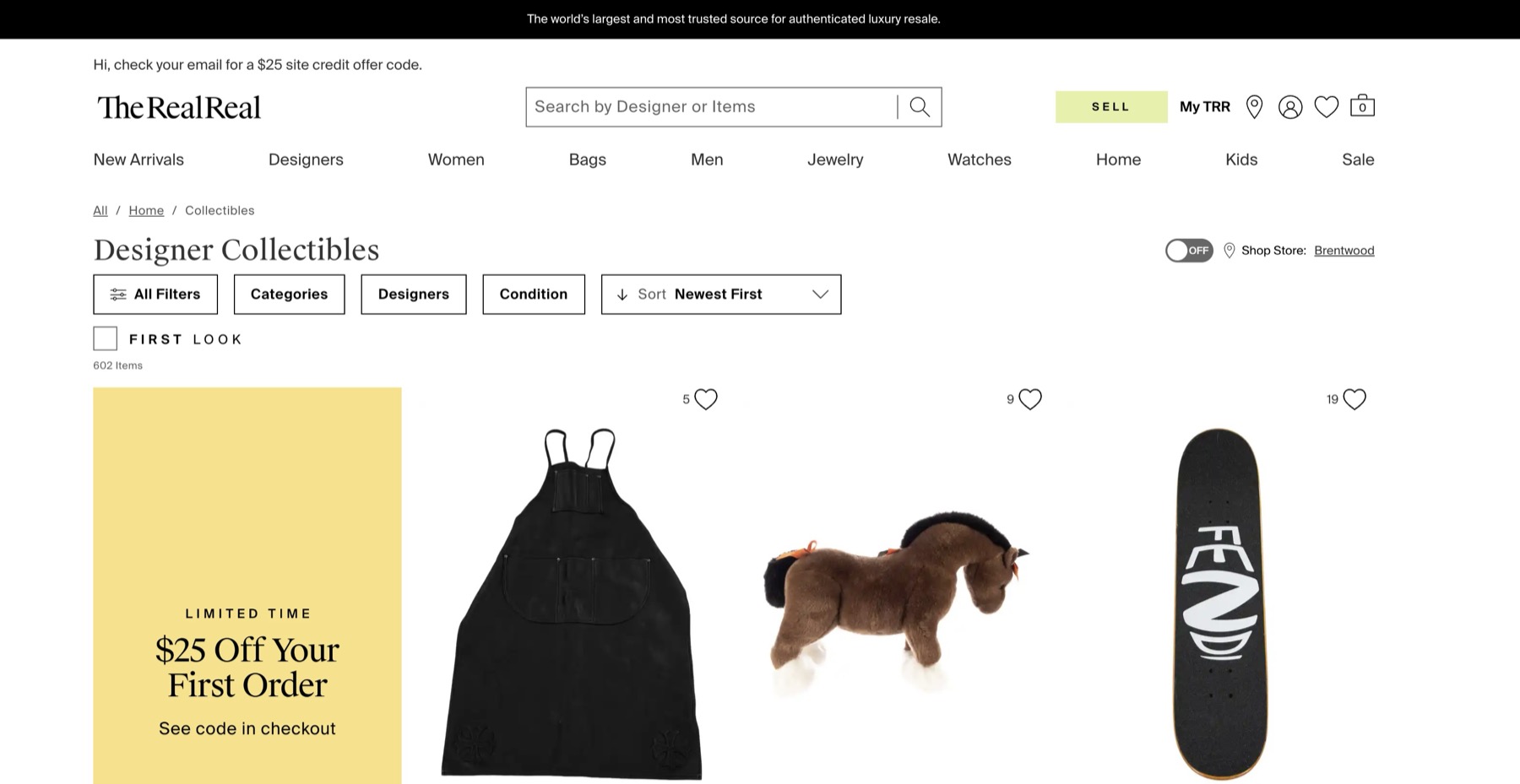 In the Home category we also had a merchandising problem, a warehouse overflowing with inventory customers barely saw. Adjusting copy, restructuring PDPs, and rethinking image hierarchy reframed how that inventory surfaced; once the story made sense to users, interest followed.
The bridge to logistics
The parts I kept gravitating to were the delivery and shipment visibility, and the consignment and purchasing dashboards, the places where a marketplace quietly becomes an operations problem. That pull turned out to be the natural transition to Blume and logistics.
What I'd build there today
I designed for The RealReal years ago, before AI unlocked a multitude of possibilities. Today I'd reach for adaptive UI and real-time pricing at scale: empower a user to see not just the current price of a collectible but a forecast, whether the price is growing or dropping, with insights on the market.
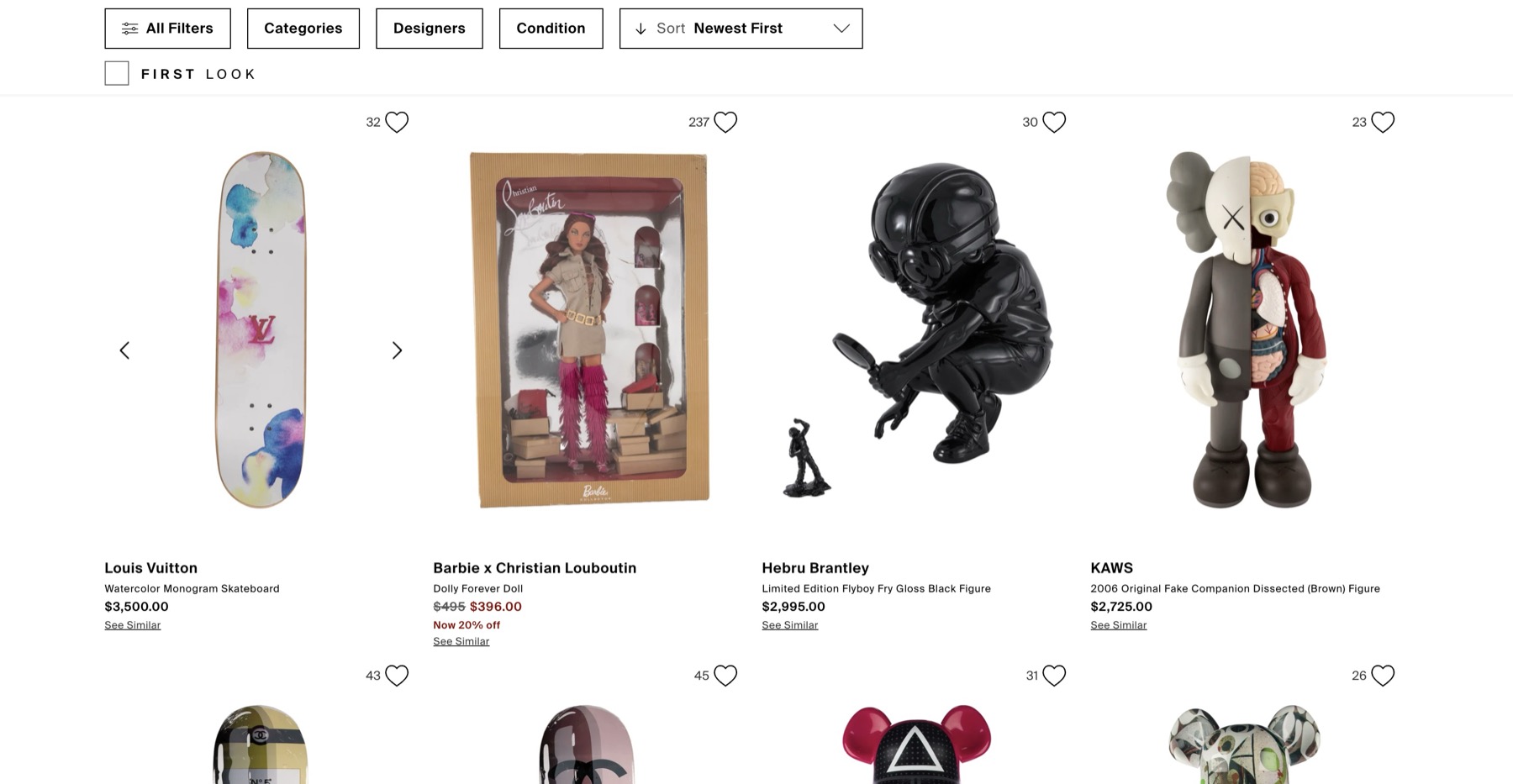 Delightful interactions and streamlined flows for researching, managing, and insuring their items. And a real say in how things get picked up and delivered: the user controls the final call, we offer the best way to transport it. I'm a huge fan of context-aware systems, and I think LLMs can now provide a unique level of automation that would enhance this experience in a variety of ways.