Magic Wand: The Most Unexpected Conference Moment
At Code with Claude, I built a Cardputer project that made people point devices at screens like casting spells. The story behind the gesture, the troubleshooting, and why hardware feels different.
One hour. One question. How I designed a gesture-based interface for the Cardputer by asking "what unexpected capabilities already exist?" instead of following the obvious path.
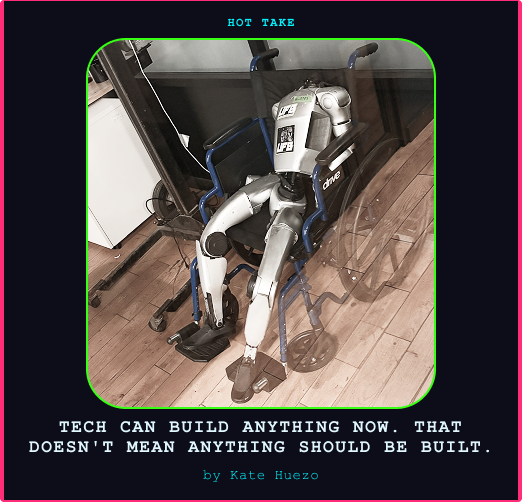
Before You Build: Why Persona and Problem Statement Aren't Optional
Most builders skip the most important question: why are you building this, and for whom? In a world where shipping is easy, the real skill is knowing whether you're building for yourself or for others — and what it takes to bridge that gap. Kate Huezo on personas, problem statements, and why "because I can" is not a product strategy.
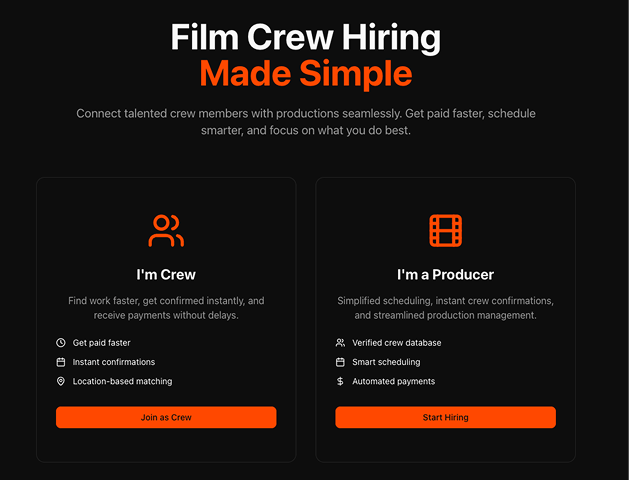
When one user is two people: thinking through dual-role UX
The platform was built as if these were two completely separate people. Two modes. No seam between them. That's not a UX mistake — it's a structural assumption. And it shapes everything downstream.
What I Didn't Expect When I Signed Up to Organize a Hackathon
I've been to a lot of hackathons. I've hacked at them, competed, shipped, stayed up too late, and felt that particular mix of exhaustion and pride that only comes from building something from nothing in 48 hours. But this was my first time on the other side — and I had no idea what I was walking into.

I Built a News Agent in a Weekend to Test CopilotKit. Here's What Actually Happened.
One weekend, Claude Code, four data sources, three deployment platforms, and one ghost component. I built a news aggregator dashboard with CopilotKit to test conversational data interfaces — and learned a lot about where agentic UX tools actually shine (and where the docs quietly lie to you).

Claude Cowork GTM Workshop
I attended WorkOS and Anthropic's sold-out Claude Cowork GTM workshop — 900+ on the waitlist, hands-on agentic workflows, and a live demo that confirmed everything I believed about autonomous AI design. Here's what I built, what Lydia Hallie hinted is coming, and why I haven't stopped thinking about automation since.
Designing an Approval-First AI Agent
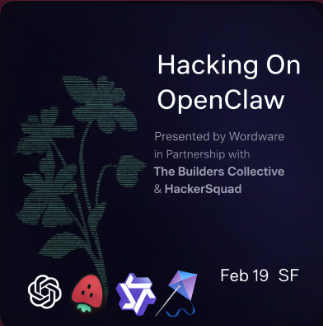
At Wordware’s OpenClaw Hack Night in San Francisco, I built a trust-first interface that turns autonomous AI agents into outcome-driven tools for non-technical users. By combining OpenClaw’s action-taking infrastructure with Wan AI video generation, the project automated the videographer pitching workflow — shifting from “AI writes your pitch” to curated, human-approved execution.
Building Claud Projects: How Specialized AI Changed the Way I Work
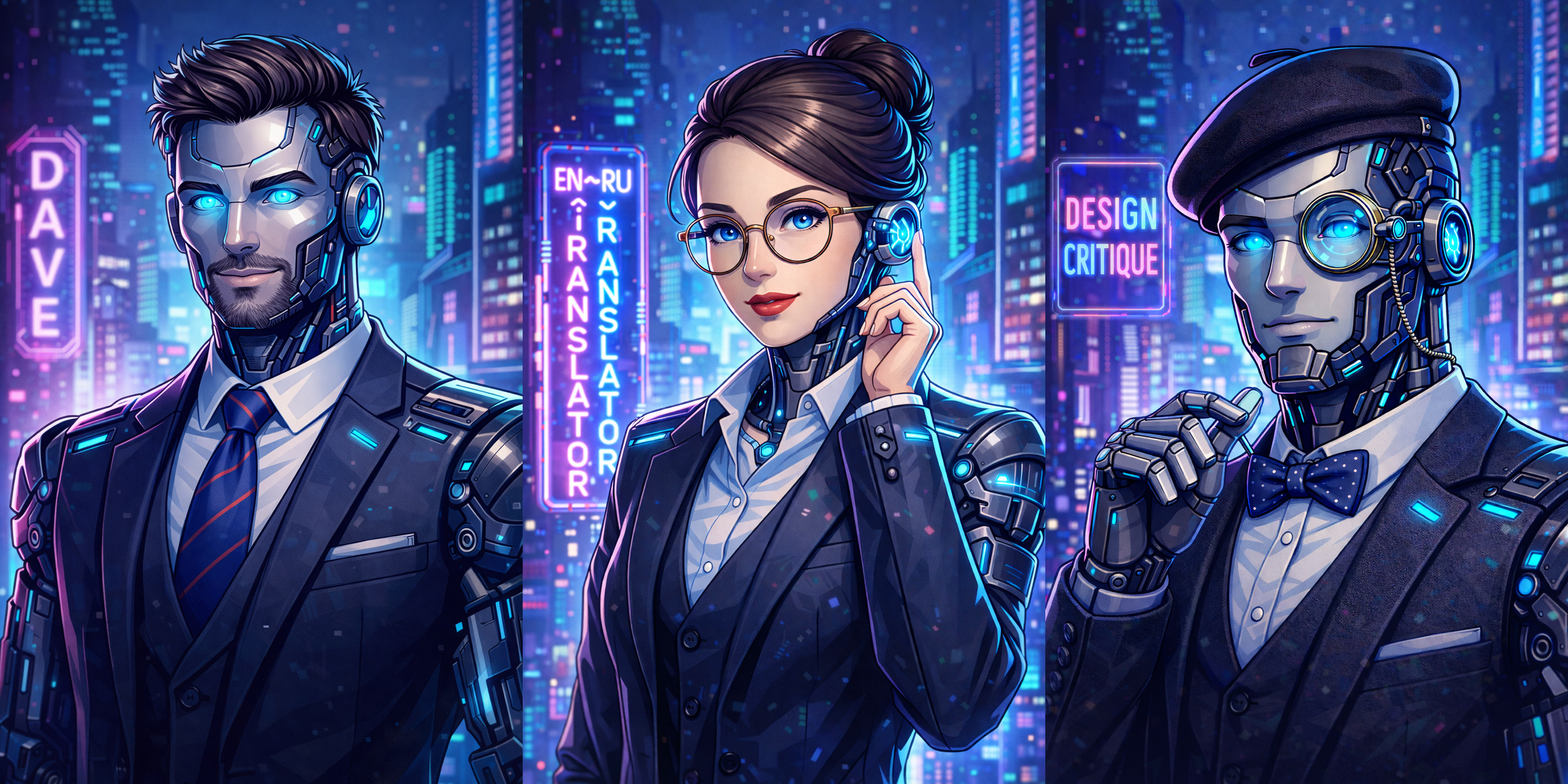
I stopped treating AI like a generic tool and started building specialized minds I could think with. From a translator that preserved my voice to a blunt founder persona who cut through doubt, custom Claude Projects helped me reduce friction, clarify decisions, and access sharper versions of my own thinking—without starting from zero every time.
Claude Code Hack Day at Amazon at AWS Builder Loft
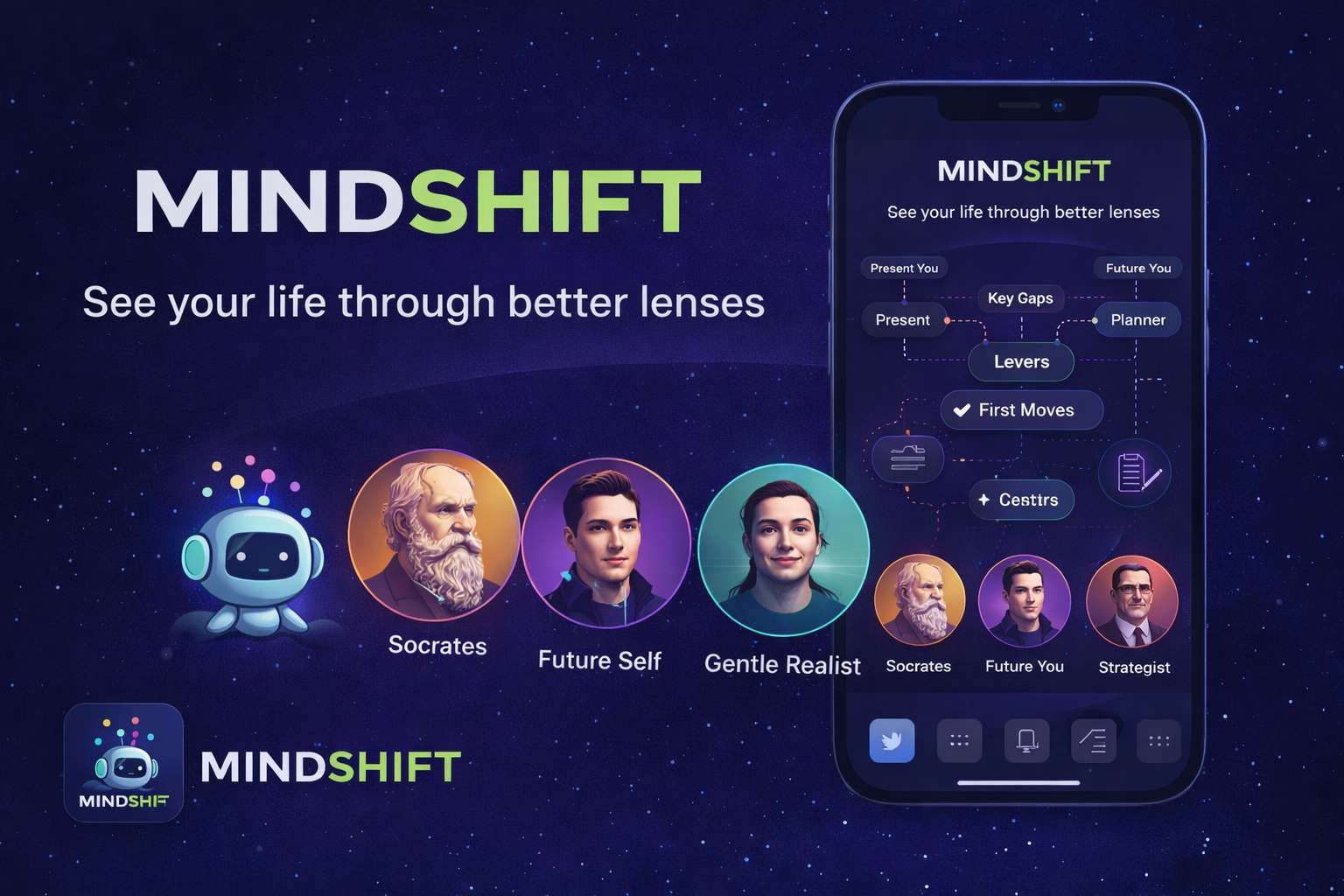
UX designer and strategist Kate Huezo reflects on a focused hack day at the AWS Builder Loft, collaborating with Claude Code and vibe-coding Mindshift, an AI-powered mind mapping tool designed to help people reframe goals, reduce overwhelm, and see their path forward through different thinking lenses.

From Growth Hacks to Growth Love — Night at Notion HQ
Growth isn’t just about viral loops anymore — it’s about love. At Notion HQ, UX strategist Kate Huezo on fireside chat with Elena Verna (Lovable) and Andrew Silard (Notion) to explore how AI, community, and emotion are reshaping what growth means in 2025. How technology meets empathy, why community-driven growth matters, and how KH Creative bridges the gap between innovation and human connection.
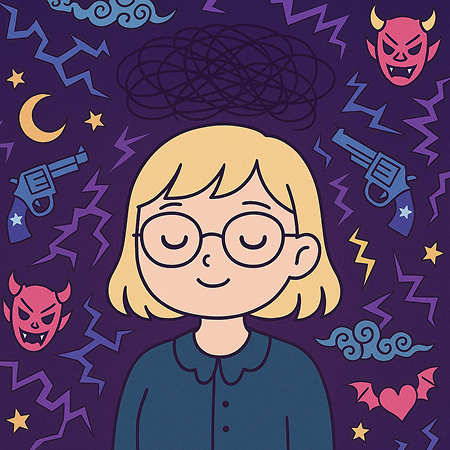
I made my mom watch K-Pop Demon Hunters! Or how viral animation is related to UX leadership
Blending K-Pop’s demon-hunting metaphors with real-world UX leadership, this post explores vulnerability, authenticity and the courage to break out of corporate choreography. Learn how embracing your “inner demon hunter” can transform your design practice, build trust with teams and create products that truly resonate.
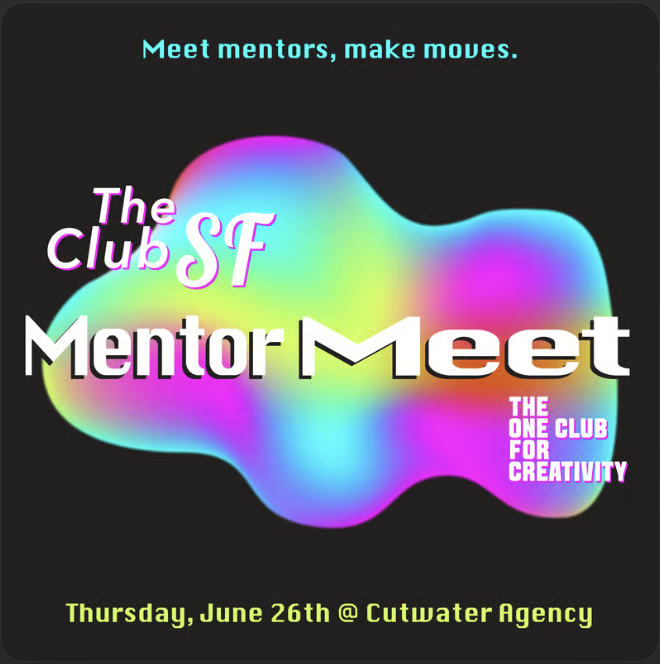
Mentorship as Creative Fuel: Why I Keep Showing Up
Mentorship has become my creative fuel. At this month’s MentorMeet @ Cutwater Agency, I was reminded of the power of community, collaboration, and giving back to the next generation of creatives.
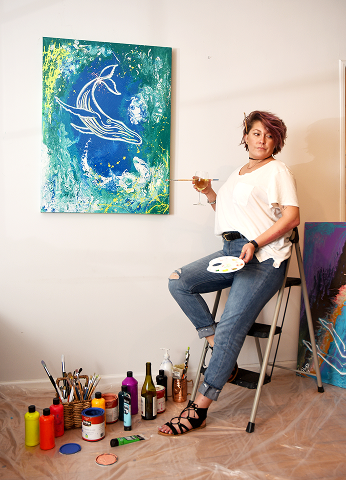
Creativity: Between Market Need and Boredom
I once heard the phrase “boredom drives creativity.” It stuck with me, but the more I thought about it, the more I realized that boredom is only half of the equation. The other half is market need. Almost everything I’ve built or painted can be traced back to one of these two sources.
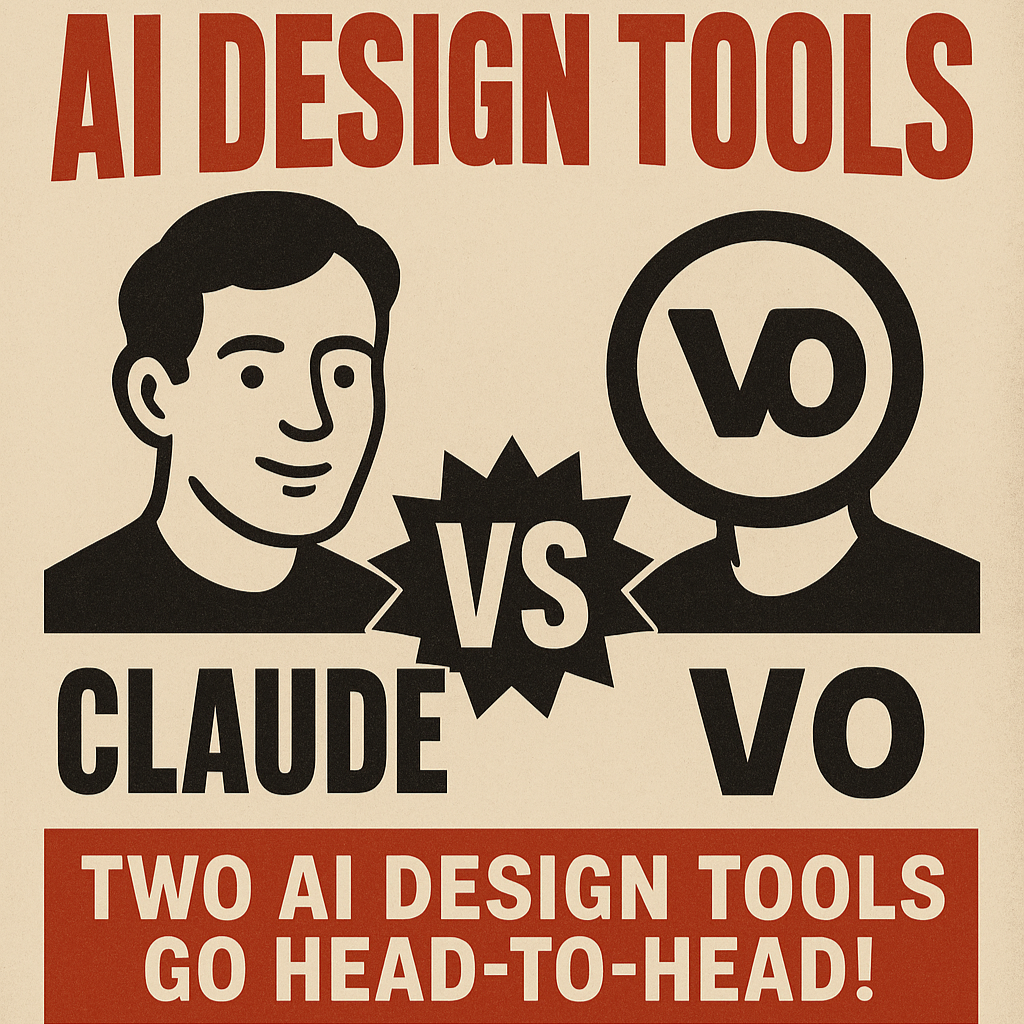
Claude vs V0: Testing AI Vibe Coding for Shroomify
Testing AI design tools isn’t just fun—it’s research. I put Claude and V0 through two rounds of vibe coding experiments for my Shroomify app. One gave me syntax errors, the other a glowing mushroom. Here’s what that says about the future of AI + UX.
Building Bridges at the AWS + Anthropic GenAI Series
Yesterday I had the chance to attend the AWS + Anthropic GenAI Series networking event. It was one of those evenings where you walk into a room and instantly feel the buzz—founders, engineers, designers, and dreamers all colliding around the same question: what’s next for AI?
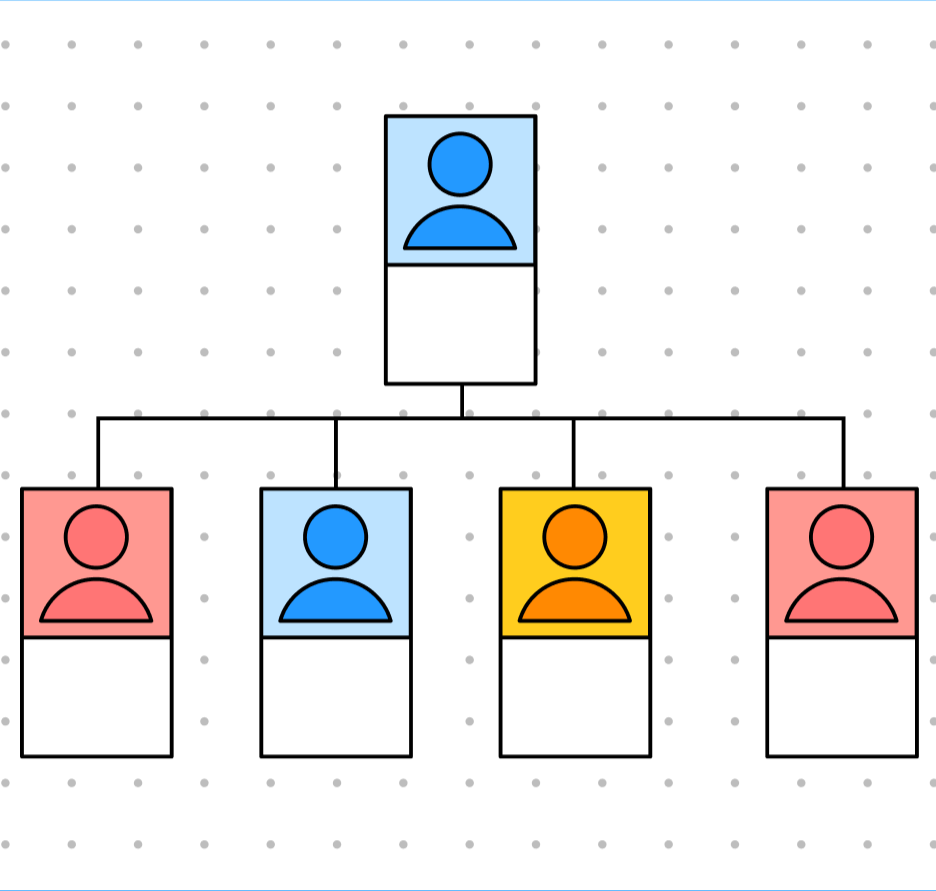
From Structure to Flow: Designing for Real User Needs in Global Trade
Structure is my love language as a designer. Without it, even Fortune 500s chase features instead of solving real problems. Here’s how I map roles, pain points, and document flows in a BCO company to design experiences that bring clarity to complex compliance work.
SaaS Summit at the AWS Builder Loft
Loved the first-ever SaaS Summit at the AWS Builder Loft — sharp talks from AWS, Vercel, Neon, and Stack Auth, plus a playful interior full of color and pixel-art that made the night unforgettable.
Designing in the Age of AI: Reflections from NN/g’s UX Podcast
AI won’t replace designers—but it will redefine what we design. From service blueprints that feel more like movie scripts to words becoming the most critical design skill of the future, we’re stepping into an era where design is less about pixels and more about trust, choreography, and human connection. I wrote about it after listening to the latest NN/g UX Podcast—check it out.